How Payday Loans Are Regulated in the U.S.
Payday loans are short-term, high-cost loans typically due on your next payday. While they are legal in many states, regulation varies significantly by state. Some states have explicit laws that allow payday lending, while others cap interest rates so low that payday lending is effectively impossible, and a few states explicitly prohibit it.
According to the Federal Reserve, as of 2007, payday lending was explicitly permitted in 38 states, explicitly prohibited in Georgia, and effectively prohibited in 11 other states through usury ceilings or small loan interest rate ceilings. Since then, several states have tightened restrictions or banned payday lending outright. By 2012, the number of states plus the District of Columbia that explicitly or effectively banned payday lending had grown from 11 to 17. A 2022 CFPB snapshot found that approximately 26 states permitted single-payment payday lending, with the rest either prohibiting it or effectively restricting it via APR caps.
Because state laws change, the information here is a general guide. Always verify current rules with your state regulator before making any decision.
Disclaimer: This page provides general legal information, not legal advice. For enforcement actions or specific legal matters, contact the relevant state agency or an attorney.
Sources: Federal Reserve Board, Consumer Financial Protection Bureau (CFPB)
Legal Status of Payday Loans in Each State
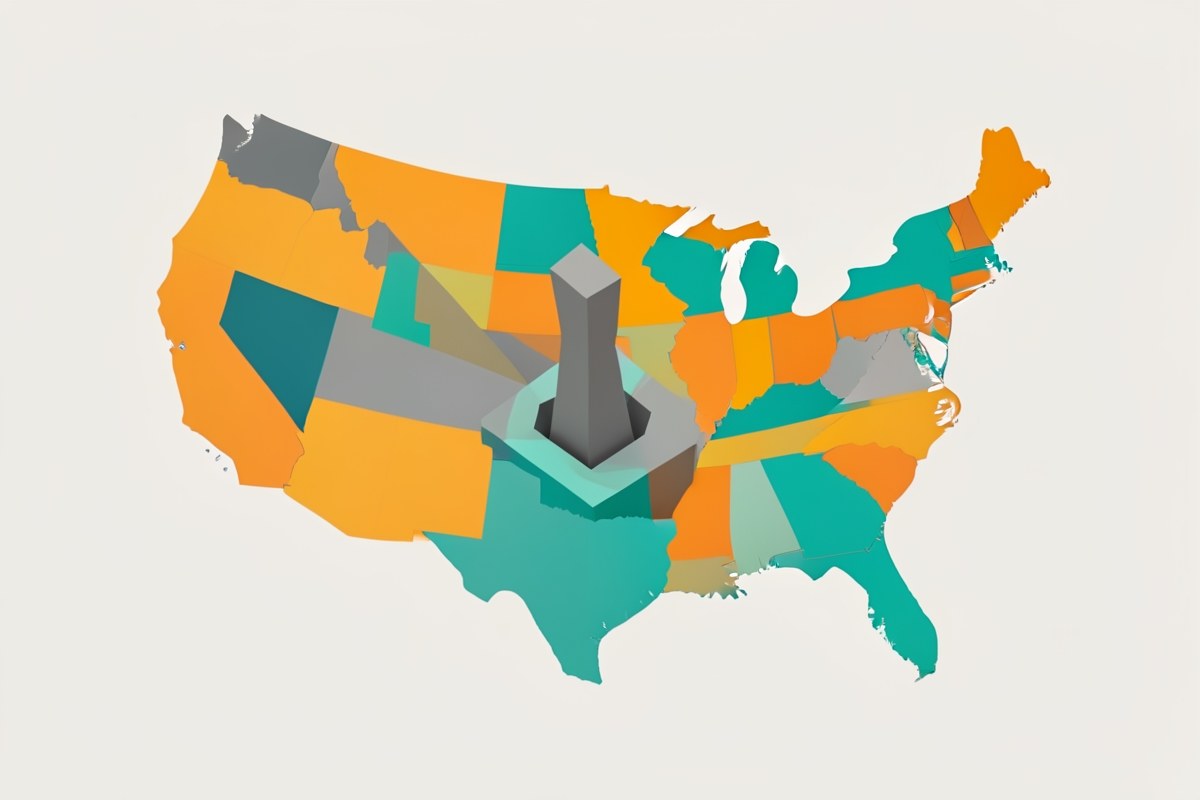
The legal status of payday loans falls into three categories: explicitly permitted, explicitly prohibited, or effectively prohibited through rate caps. Based on the most recent evidence available, here is a state-by-state summary.
| State | Legal Status | Notes / Source Year |
|---|---|---|
| Alabama | Permitted | Historical data; verify with state regulator |
| Alaska | Permitted | Historical data; verify with state regulator |
| Arizona | Prohibited | Banned or severely restricted by 2012 |
| Arkansas | Effectively prohibited | Rate cap effective; details vary |
| California | Permitted | Historical data; verify with state regulator |
| Colorado | Effectively prohibited | 36% APR cap effective Feb 1, 2019 |
| Connecticut | Effectively prohibited | Rate cap effective; details vary |
| Delaware | Permitted | Historical data; verify with state regulator |
| District of Columbia | Prohibited | Banned or effectively banned by 2012 |
| Florida | Permitted | Historical data; verify with state regulator |
| Georgia | Prohibited | Explicitly prohibited |
| Hawaii | Permitted | Historical data; verify with state regulator |
| Idaho | Permitted | Historical data; verify with state regulator |
| Illinois | Permitted | Historical data; verify with state regulator |
| Indiana | Permitted | Historical data; verify with state regulator |
| Iowa | Permitted | Historical data; verify with state regulator |
| Kansas | Permitted | Historical data; verify with state regulator |
| Kentucky | Permitted | Historical data; verify with state regulator |
| Louisiana | Permitted | Historical data; verify with state regulator |
| Maine | Permitted | Historical data; verify with state regulator |
| Maryland | Effectively prohibited | Rate cap effective; details vary |
| Massachusetts | Effectively prohibited | Rate cap effective; details vary |
| Michigan | Permitted | Historical data; verify with state regulator |
| Minnesota | Permitted | Historical data; verify with state regulator |
| Mississippi | Permitted | Historical data; verify with state regulator |
| Missouri | Permitted | Historical data; verify with state regulator |
| Montana | Prohibited | Prohibited starting 2011 |
| Nebraska | Permitted | Historical data; verify with state regulator |
| Nevada | Permitted | Historical data; verify with state regulator |
| New Hampshire | Permitted | Historical data; verify with state regulator |
| New Jersey | Effectively prohibited | Rate cap effective; details vary |
| New Mexico | Prohibited | Prohibition effective Jan 1, 2018 |
| New York | Effectively prohibited | Rate cap effective; details vary |
| North Carolina | Effectively prohibited | Rate cap effective; details vary |
| North Dakota | Permitted | Historical data; verify with state regulator |
| Ohio | Permitted | Historical data; verify with state regulator |
| Oklahoma | Permitted | Historical data; verify with state regulator |
| Oregon | Permitted | Historical data; verify with state regulator |
| Pennsylvania | Effectively prohibited | Rate cap effective; details vary |
| Rhode Island | Permitted | Historical data; verify with state regulator |
| South Carolina | Permitted | Historical data; verify with state regulator |
| South Dakota | Effectively prohibited | 36% usury cap effective 2016 |
| Tennessee | Permitted | Historical data; verify with state regulator |
| Texas | Permitted | Historical data; verify with state regulator |
| Utah | Permitted | Historical data; verify with state regulator |
| Vermont | Effectively prohibited | Rate cap effective; details vary |
| Virginia | Permitted | Historical data; verify with state regulator |
| Washington | Permitted | Historical data; verify with state regulator |
| West Virginia | Effectively prohibited | Rate cap effective; details vary |
| Wisconsin | Permitted | Historical data; verify with state regulator |
| Wyoming | Permitted | Historical data; verify with state regulator |
Sources: Federal Reserve Board, Consumer Financial Protection Bureau (CFPB), Georgia Attorney General's Consumer Protection Division
Interest Rate Caps and Maximum Loan Amounts
States that allow payday lending usually impose limits on fees and loan sizes. A common fee is $15 per $100 borrowed, which translates to an APR of about 391% for a two-week loan. However, state rules vary widely.
Some states have enacted rate caps that drastically reduce the cost of payday loans. For example, South Dakota and Colorado now cap APRs at 36%. In states with such caps, payday lending as traditionally practiced becomes less common or disappears.
State laws may also include limits on the number of loans per customer, the term of the loan, and the number of times a loan can be rolled over. These restrictions are designed to prevent borrowers from falling into a cycle of debt.
- Typical fee: $15 per $100 borrowed for a two-week loan (APR ≈ 391%).
- Rate caps: Some states, such as South Dakota and Colorado, cap APRs at 36%.
- Loan size limits: States commonly cap the maximum payday loan amount, though the specific cap varies.
- Loan term limits: Many states set a maximum term, often between two weeks and one month.
- Rollover restrictions: Many states restrict the number of times a loan can be rolled over or renewed.
| State | Rate Cap or Typical Fee | Source Year |
|---|---|---|
| Colorado | 36% APR cap | 2019 |
| South Dakota | 36% usury cap | 2016 |
| Typical payday loan (any state) | $15 per $100 borrowed (APR ≈ 391%) | 2022 |
Sources: Federal Reserve Board, Consumer Financial Protection Bureau (CFPB)
States Where Payday Loans Are Prohibited
A growing number of states have taken steps to ban or effectively ban payday lending. As of 2012, at least 17 states and the District of Columbia either explicitly prohibited payday lending or made it impossible through rate caps. By 2022, that number had increased, with only about 26 states allowing single-payment payday loans.
The following states and the District of Columbia explicitly prohibit payday lending or effectively prohibit it through rate caps.
- Arizona: Prohibited by 2012.
- Colorado: 36% APR cap effective February 1, 2019.
- District of Columbia: Prohibited by 2012.
- Georgia: Explicitly prohibited.
- Montana: Prohibited starting 2011.
- New Mexico: Prohibited effective January 1, 2018.
- South Dakota: 36% usury cap effective 2016.
- Many other states effectively prohibit payday lending through APR caps that make the product unprofitable.
Sources: Federal Reserve Board, Consumer Financial Protection Bureau (CFPB), Georgia Attorney General's Consumer Protection Division
State Agencies for Consumer Complaints
If you have a complaint about a payday lender, you should contact the state agency that regulates financial services in your state. For example, the Georgia Department of Banking and Finance handles complaints related to payday lending, even though payday loans are illegal there. Other states have similar agencies, but their contact details are not included in the evidence used for this page.
You can also file a complaint with the Consumer Financial Protection Bureau (CFPB), which oversees consumer financial products at the federal level.
- Contact your state's financial regulation agency or consumer protection office.
- File a complaint with the CFPB online or by phone.
- For Georgia, the Department of Banking and Finance can be reached at 770-986-1633.
Sources: Georgia Attorney General's Consumer Protection Division
How to Verify a Lender's License in Your State
In states that permit payday lending, lenders must typically be licensed by the state. To verify a lender's license, you can contact your state's financial regulation agency or check its online database. The evidence for this page does not provide a universal directory, so you will need to use your state's official resources.
It is wise to check that a lender is licensed before doing business with them. If a lender is not licensed, they may be operating illegally, and you may have fewer consumer protections.
You can also check with the CFPB to see if any complaints have been filed against a particular lender.
- Visit your state's financial regulator website to search for licensed lenders.
- Call your state's banking or consumer finance department.
- Check the CFPB's complaint database for lender history.
Sources: Georgia Attorney General's Consumer Protection Division
Frequently asked questions
What is the maximum APR for payday loans in my state?
The maximum APR varies widely. Some states cap APRs at 36% (e.g., South Dakota, Colorado), while others allow fees that equate to about 391% APR for a two-week loan. Because state laws differ, you need to check your state's regulations to determine the exact cap.
Sources: Consumer Financial Protection Bureau (CFPB)Are payday loans illegal in some states?
Yes. Georgia explicitly prohibits payday loans. Other states either prohibit them outright or effectively ban them through strict rate caps. For example, New Mexico prohibited short-term payday loans effective January 1, 2018, and Colorado capped APRs at 36% in 2019, which effectively ended traditional payday lending there. Arizona and Montana also prohibited payday lending by 2012.
Sources: Consumer Financial Protection Bureau (CFPB), Georgia Attorney General's Consumer Protection Division, Federal Reserve BoardHow can I find out if a lender is licensed in my state?
Contact your state's financial regulation agency. Many states provide an online database of licensed lenders. You can also call the agency directly. If you are unsure who your state regulator is, start with the CFPB's website.
Sources: Georgia Attorney General's Consumer Protection DivisionWhat should I do if a lender violates state laws?
If you believe a lender has violated state law, file a complaint with your state's financial regulation agency. For example, in Georgia, you can contact the Department of Banking and Finance at 770-986-1633. You can also submit a complaint to the CFPB, which oversees consumer financial laws at the federal level.
Sources: Georgia Attorney General's Consumer Protection DivisionDo federal laws apply to payday loans?
Yes. Federal laws and regulations from agencies like the CFPB apply to payday lending, such as rules on fair lending and consumer protection. However, most day-to-day regulation is at the state level. Federal laws may not set interest rate caps; those are typically determined by the states.
Sources: Consumer Financial Protection Bureau (CFPB)Sources
- FRB: Finance and Economics Discussion Series: Screen Reader Version - 200933 — Federal Reserve Board
- FRB: Finance and Economics Discussion Series: Data - 201381 — Federal Reserve Board
- Payday, Vehicle Title, and Certain High-Cost Installment Loans — Consumer Financial Protection Bureau (CFPB)
- Payday Loans | Georgia Attorney General's Consumer Protection Division — Georgia Attorney General's Consumer Protection Division
- Consumer use of State payday loan extended payment plans — Consumer Financial Protection Bureau (CFPB)
- Payday Loans and Deposit Advance Products: A White Paper of Initial Data Findings — Consumer Financial Protection Bureau (CFPB)